Restricted Access Barrier Systems (RABS) for Aseptic Pharmaceutical Processing

RA A1 RABS
For Aseptic Processing & Fill-Finish Operations

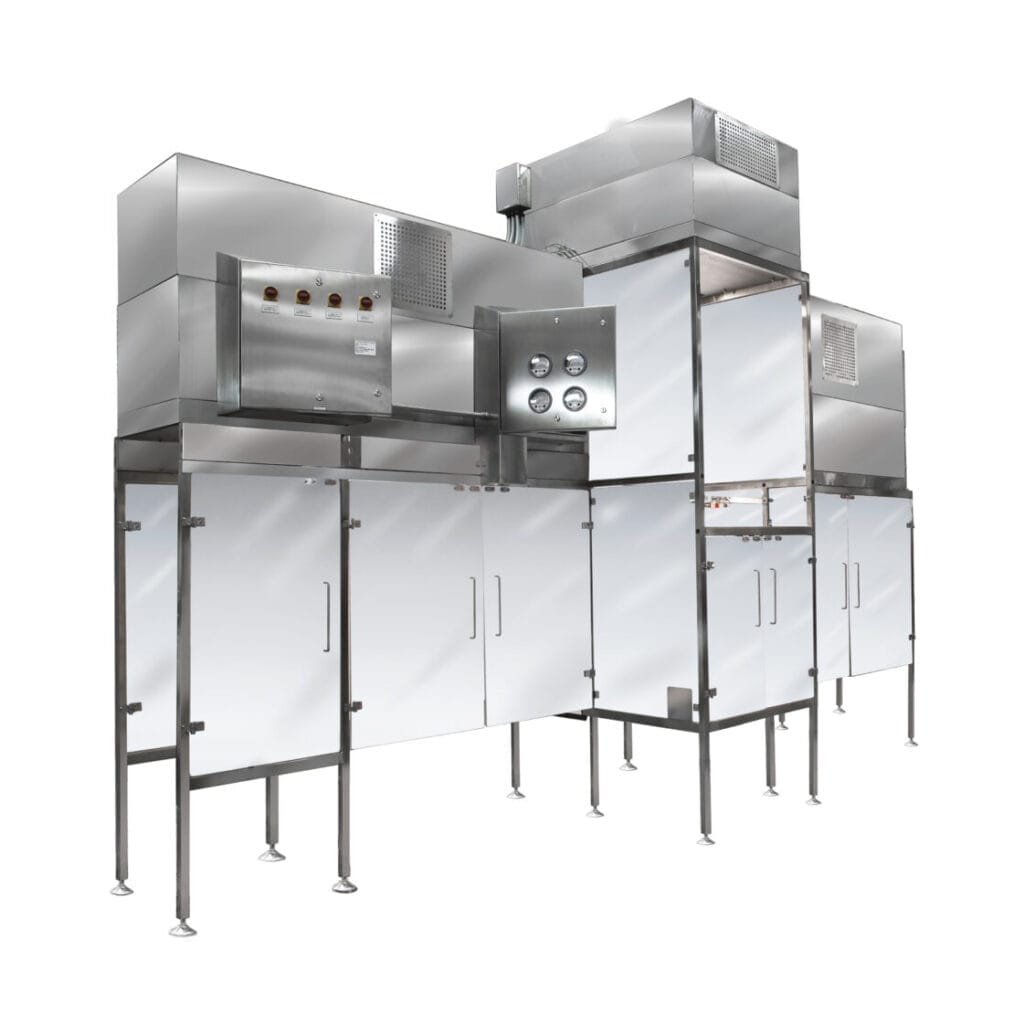
Restricted Access Barrier Systems (RABS) provide an advanced solution for pharmaceutical aseptic processing, sterile filling, and capping operations. Combining rigid wall construction with controlled airflow, RABS create a Grade A / ISO 5 environment that minimizes contamination risk while improving flexibility and cost-efficiency compared to traditional cleanrooms or isolators.

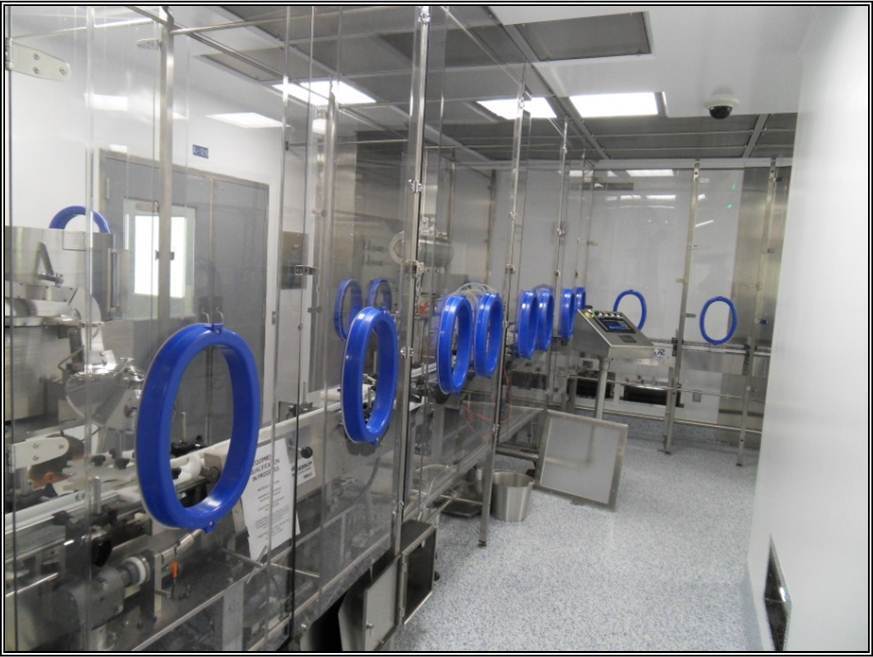
A RABS is a semi-enclosed aseptic barrier system designed to separate operators from sterile product zones during pharmaceutical manufacturing. By using rigid transparent panels, glove ports, and integrated HEPA filtration, RABS maintain unidirectional airflow and minimize operator intervention into the critical fill-finish zone.

This physical and aerodynamic separation helps reduce contamination risks associated with open cleanrooms or laminar airflow systems, while providing a scalable solution for facilities that require high-level aseptic control without the full infrastructure of an isolator system.

Types of RABS Systems

RABS systems are available in two primary configurations, depending on facility requirements:

Open RABS (Active or Passive)

Closed RABS (Active or Passive)

Ideal RABS Applications

BIG BOOTH AA
SM BOOTH ZZZZ

Benefits of RABS for Pharmaceutical Manufacturing

Cost -Effective Cleanroom Upgrade

RABS allow pharmaceutical and biotech manufacturers to upgrade existing fill-finish lines to modern aseptic standards without the need for complete cleanroom rebuilds or full isolator installations.

Advanced Contamination Control

With rigid barriers, glove ports, and HEPA-filtered airflow directly over the filling line, RABS provide nearly isolator-level protection while still allowing occasional operator interventions under controlled conditions.

Flexibility for Multi-Product Manufacturing

RABS systems are ideal for contract manufacturing organizations (CMOs), multi-product production lines, or facilities producing small-batch vaccines, biologics, or injectables—allowing for faster changeovers and adaptable production formats.

Lower Capital and Operating Costs

Compared to full isolators and complete cleanroom renovations, RABS offer reduced HVAC demands, lower capital investment, and long-term operational cost savings—all while meeting stringent aseptic processing requirements.

Ergonomic Design & Operator Safety

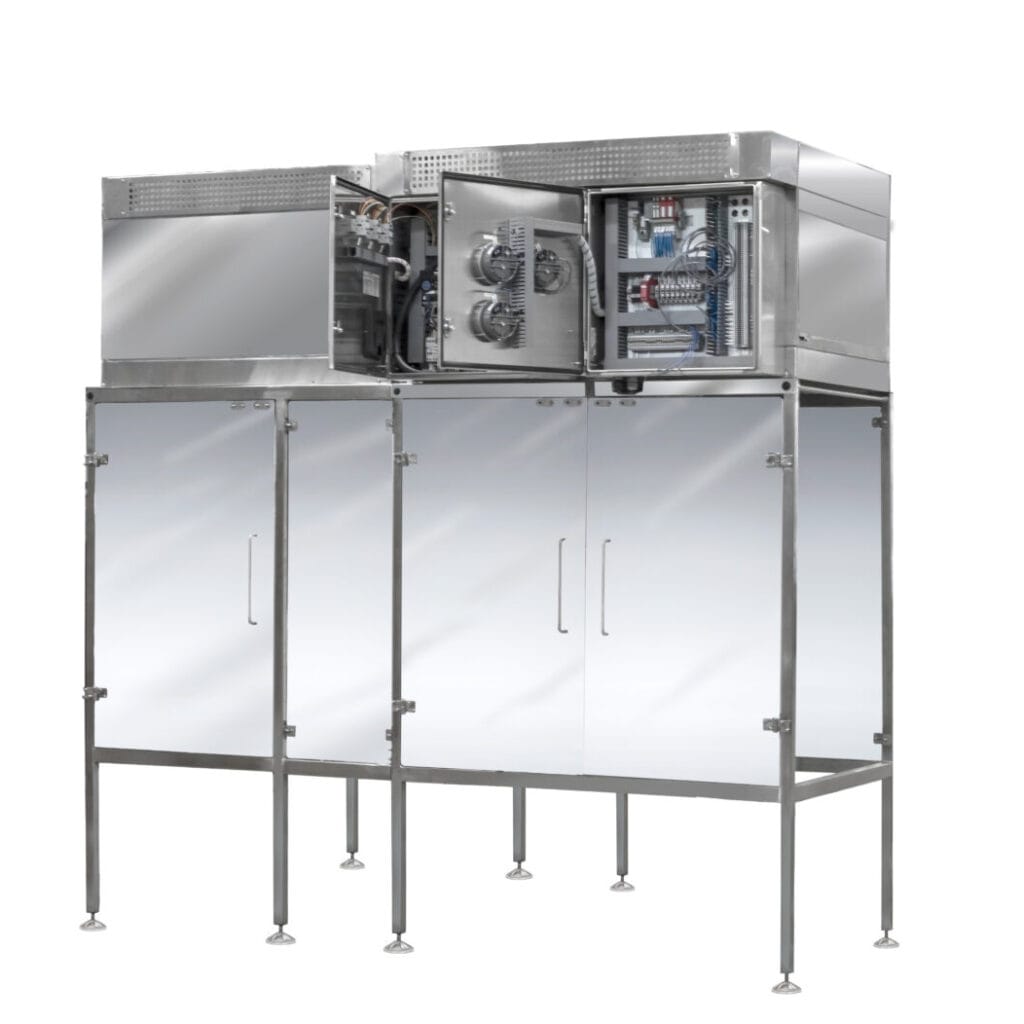
Our RABS systems are engineered with both operator ergonomics and process integrity in mind. Operators have full access to the system through doors during setup and preparation. Once production begins, all adjustments and fine-tuning are performed through glove ports, reducing risk of contamination while maintaining production efficiency.

Each unit features HEPA-filtered ceiling plenums, fully DOP-testable filters for certification, integrated environmental monitoring, alarms, and customizable controls to meet your exact process specifications.

Optimize Your Aseptic Processing with RABS Technology

Whether you’re upgrading an existing cleanroom or designing a new fill-finish line, our custom RABS solutions deliver flexible, validated, and cost-effective aseptic processing—built for compliance and performance.

What other containment solutions does Custom Powder Systems offer?

Screen Shot 2023 04 12 at 1.13.16 PM

Containment Tool Box

Custom Powder Systems offers a Pyrophoric Material Dispensing System to enhance product safety and prevent release during transfer operations. This system is perfect for professionals looking for a containment tool box, especially when dealing with potent materials.

Frequently Asked Questions

1 How do Restricted Access Barrier Systems (RABS) improve aseptic processing and reduce contamination risks?

RABS create a Grade A / ISO 5 environment by physically separating operators from sterile product zones using rigid transparent panels, glove ports, and HEPA filtration. This system maintains unidirectional airflow and minimizes operator intervention, significantly reducing contamination risks associated with open cleanrooms or laminar airflow systems.

2 What are the differences between Open and Closed RABS, and which configuration is better for facility upgrades?

Open RABS have controlled airflow returning to the cleanroom through engineered gaps and are generally easier to retrofit into existing fill-finish lines, requiring a classified background cleanroom. Closed RABS offer enhanced containment with a fully enclosed design and controlled internal pressure, providing greater protection for high-risk operations, also requiring a cleanroom background.

3 What are the key benefits of implementing RABS for pharmaceutical manufacturing operations?

RABS offer a cost-effective cleanroom upgrade, allowing manufacturers to modernize existing fill-finish lines without full cleanroom rebuilds or isolator installations. They provide advanced contamination control through rigid barriers and HEPA-filtered airflow, offering a scalable solution for high-level aseptic control with improved flexibility and cost-efficiency.

Shopping Basket
Privacy Overview

This website uses cookies so that we can provide you with the best user experience possible. Cookie information is stored in your browser and performs functions such as recognising you when you return to our website and helping our team to understand which sections of the website you find most interesting and useful.